

Where to Buy Artisan Home Accessories
Sep 29th 2026
Table of Contents
- What Makes Artisan Home Accessories Worth Buying
- How to Identify Authentic Artisan Goods
- Top Handmade Home Decor Brands and Where to Shop
- Styling Artisan Pieces in Modern Interiors
- Care and Maintenance of Artisan Goods
- Price Point Comparison: What You're Actually Paying For
- Frequently Asked Questions
Last Updated: September 28, 2026
What Makes Artisan Home Accessories Worth Buying
Mass-produced decor blends together, the same throw pillow in a thousand homes, the same wall art in chain stores nationwide. Handmade home accessories tell a different story. Each piece carries the maker's intention, skill, and unique perspective.
Artisan home accessories are handcrafted items created by independent makers who prioritize quality over quantity. From textiles and lighting fixtures to decorative accents and kitchenware, they reflect genuine craftsmanship and original design, made to last and add character to your space.
When you buy artisan home accessories, you're investing in durability, handwoven textiles and solid wood pieces outlast trend cycles. You're also supporting makers who care about their work, creating something fundamentally different from mass production optimized for cost reduction.
The challenge is distinguishing real craftsmanship from marketing hype. This guide covers identifying genuine artisan pieces, understanding pricing, and styling them in contemporary spaces.
How to Identify Authentic Artisan Goods
The first question every buyer should ask: Is this actually handmade, or is it just labeled that way?
Verification Checklist for Authentic Makers
Real artisan makers are transparent about their process. Verify these markers of authenticity:
- Production documentation: Legitimate makers provide photos or video of their workspace and process. No studio images or process videos is a warning sign.
- Material sourcing transparency: A real maker can name their suppliers and specify whether wood is sustainably harvested, dyes are non-toxic, or metals are ethically mined. Generic answers like "quality materials" suggest mass-production rebranding.
- Production timeline: Custom artisan work realistically takes 2-8 weeks depending on complexity. Claims of 3-day turnarounds signal mass production, not handcraft.
- Maker background and training: Look for formal training, published portfolios, and artist statements. Emerging makers may lack credentials but should show clear skill development and consistent output.
Certifications and Accountability Signals
Ethical sourcing matters equally. A handmade piece made with exploited labor or unsustainable materials isn't actually artisan-quality; it's just handmade. Legitimate certifications include:
- Fair Trade Certified: Indicates fair wages and safe working conditions. Look for the Fair Trade USA or World Fair Trade Organization seal.
- Sustainable Material Certifications: FSC (Forest Stewardship Council) for wood, GOTS (Global Organic Textile Standard) for organic cotton, or similar standards for other materials.
- Maker Collective Memberships: Organizations like the American Craft Council or regional artisan guilds vet member makers and maintain quality standards.
- B Corp Certification: Indicates the business meets social and environmental performance standards.
Ask direct questions about material sourcing, suppliers, production capacity, and labor practices. A real maker answers without defensiveness. Evasiveness is a red flag.
Red Flags That Signal Mass-Production Rebranding
- Identical product descriptions across multiple sellers (suggests dropshipping or wholesale rebranding)
- Extremely low prices relative to production time (a handwoven textile taking 40 hours shouldn't cost $25)
- No maker name, biography, or artist statement
- Stock photography instead of actual product photos
- Inability to customize or modify pieces (true artisans often accommodate requests)
- Vague material descriptions ("premium fabric" instead of "100% linen" or "hand-dyed merino wool")
- No production timeline or lead time listed
Customer Reviews and Maker Credentials
Look for reviews with specific details: "The weaving is tighter than expected," "The wood finish is beautiful." Generic five-star reviews are less reliable. Check whether the maker responds to customer questions, engaged makers signal accountability.
Top Handmade Home Decor Brands and Where to Shop
The best retailers curate carefully, ensuring every maker meets genuine quality standards and providing transparency about production, pricing, and artist backgrounds.
Curated Artisan Retailers
thomaspaul offers a curated collection of handmade home textiles and designer decor in vintage-inspired, modern style. Founded by designer Thomas Paul, a Fashion Institute of Technology graduate with formal textile training, the brand ensures every item passes through professional design expertise. You're buying pieces selected by someone who understands design fundamentals and production quality.
Look for retailers that feature artisans prominently, explaining the story behind each collection and treating makers as collaborators.
Online Artisan Marketplaces
Online platforms have democratized access to independent makers. These channels offer the widest selection and direct support for small producers:
- Etsy: The largest marketplace for handmade goods with over 4 million sellers. Filter by "handmade" status and review maker credentials. Drawback: Quality varies significantly with high seller volume. Advantage: Lowest prices for emerging makers.
- Faire: Curates makers more strictly than Etsy, vetting production capabilities. Higher prices reflect stronger quality control and detailed maker profiles.
- Artisan Collective Platforms: Uncommon Goods, Artifact Uprising, and Schoolhouse Electric focus exclusively on independent makers with high curation and prominent maker stories. Prices reflect this premium.
- Maker Direct Websites: Direct purchase often provides better pricing and direct maker communication, though discovery requires knowing the maker exists.
Local and In-Person Shopping
In-person shopping offers advantages online can't match:
- Craft Fairs and Artisan Markets: Regional craft fairs and maker markets let you see pieces in person, ask makers direct questions, and negotiate pricing.
- Independent Boutiques: Local boutiques carry curated regional artisans and provide production context. Shopping locally supports makers and your community.
- Artist Studios and Open Studio Events: Open studio weekends, organized by local arts councils, offer the best pricing and deepest maker access.
What to Expect at Different Price Points
- Emerging makers on Etsy ($30-$150): Newer artisans building reputation with competitive prices.
- Established makers on Faire ($100-$400): Proven track records with documented production and lower buyer risk.
- Curated retail platforms ($150-$600+): thomaspaul, Uncommon Goods, Schoolhouse Electric with highest curation standards.
- Luxury artisan brands ($400+): Established designers reflecting brand recognition and design innovation.
How to Evaluate a Shopping Channel
Before committing to a purchase, assess the platform:
- Maker transparency: Can you find information about the maker's background, process, and materials? Platforms that hide maker details are less trustworthy.
- Return and refund policy: Legitimate artisan retailers accept returns for defective items. Be cautious of "final sale" policies on handmade goods, they sometimes indicate quality concerns.
- Customer reviews: Read reviews for consistency. Do customers mention specific details about craftsmanship and durability? Are there patterns of complaints?
- Shipping and packaging: Artisan goods require careful handling. Does the seller provide detailed shipping information? Do reviews mention packaging quality?
- Seller responsiveness: Can you contact the maker or seller with questions? Response time and helpfulness indicate professionalism.
The best approach combines channels: discover emerging makers on Etsy, verify quality through reviews and maker credentials, then consider whether to purchase directly from their website to support them more fully. For higher-investment pieces, use curated platforms or local shopping where you can see items in person and ask questions directly.
Styling Artisan Pieces in Modern Interiors
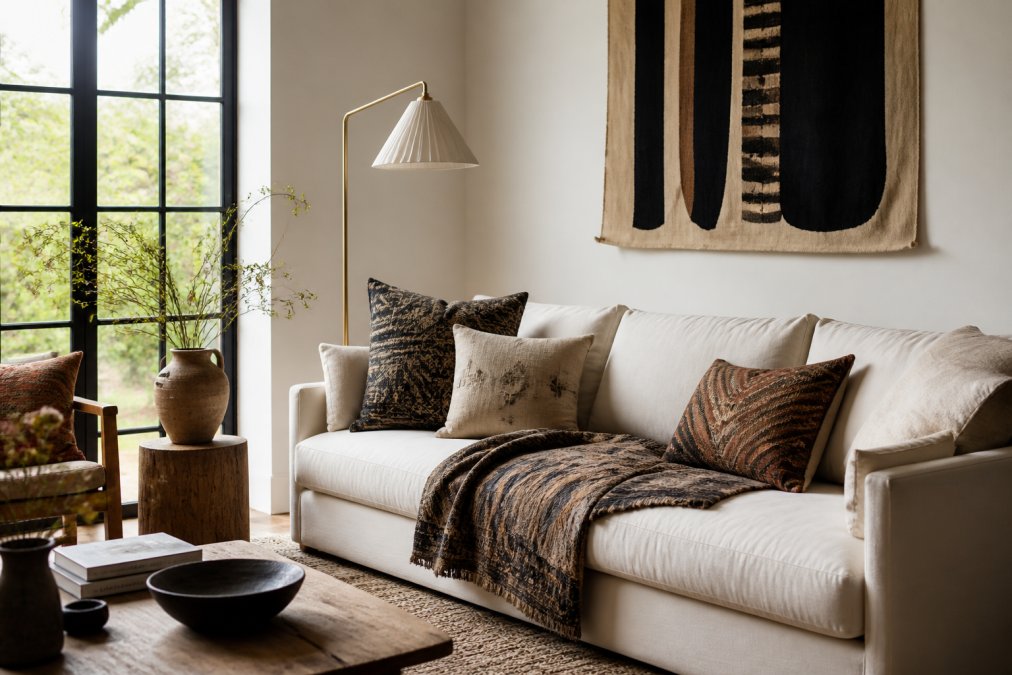
The biggest concern new buyers have is whether vintage-inspired artisan pieces will feel dated in a modern space. The answer is straightforward: good design transcends trends.
Artisan home accessories work beautifully in contemporary interiors when you approach styling strategically. The key is balance. A modern space with clean lines and minimal color palette actually showcases handcrafted pieces better than a maximalist room. A single artisan textile becomes a focal point. A handmade lighting fixture draws attention. The simplicity of modern design gives artisan pieces room to shine.
Start by anchoring your space with one strong artisan piece. A statement pillow, a piece of wall art, or a handcrafted throw blanket. Build around it. Let that item set the tone for color and pattern. Then add complementary pieces gradually. A modern interior with one or two artisan accents reads as intentional and curated. Overloading a minimal space defeats the purpose.
Consider scale and proportion carefully. Oversized artisan pieces can overwhelm a small room. Delicate items can disappear in large spaces. Match the scale of your handmade accessories to your actual room dimensions. A handwoven wall hanging works in a bedroom; the same piece might get lost in a living room with high ceilings.
Lighting transforms artisan pieces. Handcrafted textiles and wall art benefit from intentional lighting.
Care and Maintenance of Artisan Goods
Artisan home accessories demand more attention than mass-produced alternatives, but that investment pays off in longevity.
Price Point Comparison: What You're Actually Paying For
The most common objection to artisan home accessories is price. People compare a handwoven pillow to a mass-produced alternative and question the difference.
Frequently Asked Questions
How can you tell if home decor is truly artisan-made?
Authentic artisan home accessories show signs of handcrafted quality: visible variations in color and texture, imperfect seams or edges that indicate human creation, and maker transparency. Look for detailed product descriptions that explain the creation process, artisan credentials, and small-batch production numbers. Reputable sellers provide information about their makers, materials sourcing, and quality control methods. Request photos showing the artisan at work or detailed close-ups of construction details. Handmade pieces rarely look identical to each other, slight variations are a mark of authenticity, not defects.
What are the benefits of buying artisan home accessories over mass-produced items?
Artisan home accessories offer superior craftsmanship, unique design, and genuine durability compared to mass-produced alternatives. Each handmade piece reflects individual artistry and attention to detail that factory production cannot replicate. You support independent makers and small businesses, often ensuring fair wages and ethical working conditions. Artisan goods typically use higher-quality materials and construction methods, meaning they last longer and age beautifully. The uniqueness factor means your home decor is genuinely one-of-a-kind rather than matching thousands of others. Additionally, artisan pieces often carry cultural significance and authentic design heritage.
Where can I buy unique personalized home decor?
Artisan marketplaces, independent maker websites, and specialty home decor retailers offer personalized options. Many handmade home decor brands provide custom ordering for textiles, wall art, and decorative accents, you can select colors, patterns, or monogramming to match your space. Direct-to-maker platforms allow you to commission bespoke pieces tailored to your exact specifications. Boutique home furnishings shops often work with artisans who accept custom orders. When shopping, ask sellers about customization options, lead times, and whether they offer design consultation to ensure your personalized piece fits your interior vision.
What should I look for when comparing artisan home accessories to mainstream retailers?
Compare construction quality, material sourcing, design originality, and maker credentials rather than price alone. Artisan pieces often cost more because they use premium materials, involve skilled labor, and support small businesses. Examine fabric weight, seam strength, and finish details, handmade goods typically show superior construction. Check whether the seller provides transparent information about where materials come from and how pieces are made. Consider longevity: a well-made artisan textile or decorative accent will outlast multiple mass-produced replacements. Read customer reviews specifically mentioning durability and whether pieces maintain their appearance over time.