

West Elm vs Lulu and Georgia: Which Fits Your Home?
Oct 3rd 2026
Table of Contents
- West Elm vs Lulu and Georgia: Design Philosophy and Aesthetic
- Price Point and Value: What You Actually Pay
- Quality, Materials, and Construction Durability
- Furniture Lead Times Comparison and Shipping Logistics
- Customer Service, Returns, and White-Glove Delivery
- Best Online Furniture Stores 2025: Where These Brands Fit
- Room-by-Room Suitability and Design Versatility
- Conclusion: Which Brand Matches Your Home?
- Frequently Asked Questions
Last Updated: October 2, 2026
West Elm vs Lulu and Georgia: Design Philosophy and Aesthetic
West Elm leans toward mid-century modern and Scandinavian-inspired aesthetics with clean lines and minimalist appeal. Lulu and Georgia embraces a curated, eclectic approach blending bohemian influence with designer-forward pieces. Understanding these distinct design languages is essential before committing to either brand.
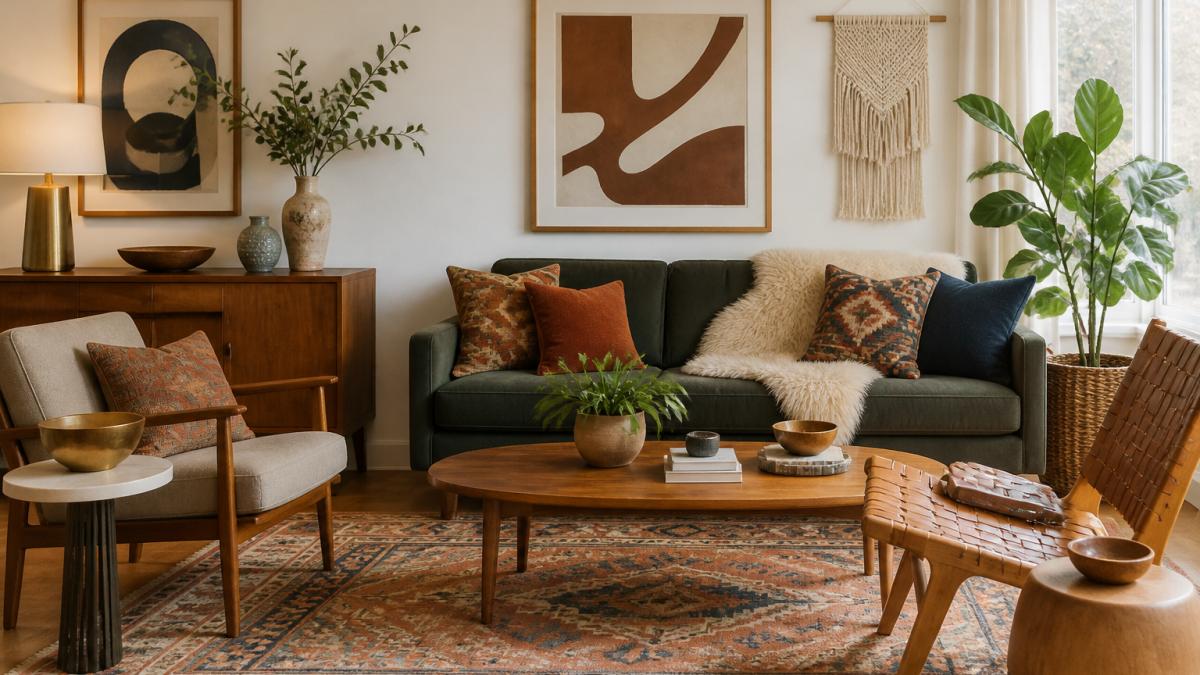
West Elm emphasizes neutral color palettes, natural materials, and understated elegance, accessible design without luxury price tags. Their collection aligns with contemporary or industrial styles.
Lulu and Georgia sources from independent designers and artisans, celebrating pattern, color, and personality. Their aesthetic works for homes embracing vintage-inspired elements mixed with modern sensibilities, prioritizing handcrafted details and unique design over mass-market sameness.
West Elm suits cohesive, trend-aware interiors; Lulu and Georgia rewards buyers prioritizing individual taste and artistic sensibility.
Price Point and Value: What You Actually Pay
West Elm positions itself in the mid-market, higher than budget retailers but lower than luxury brands. Lulu and Georgia's pricing varies dramatically by designer and product category, from below West Elm to premium prices for limited-edition artisan items.
West Elm offers transparent, consistent pricing. Lulu and Georgia's pricing reflects boutique sourcing, limited-edition and made-to-order pieces cost more but offer exclusivity.
Made-to-order pieces from Lulu and Georgia cost more but arrive tailored to specifications. West Elm's inventory model means faster delivery but less personalization. Budget-conscious decorators favor West Elm; those prioritizing uniqueness favor Lulu and Georgia.
Quality, Materials, and Construction Durability
West Elm's Construction Standards
West Elm's solid wood furniture outlasts upholstered pieces by 3-5 years. Upholstered sofas show visible wear after 3-4 years of regular use. Lower-priced pieces ($400-$800) use lower-density foam that compresses faster; mid-range pieces ($1,200-$2,000) perform better, with acceptable condition after 5-6 years. Frame construction is reliable; cushioning and fabric are durability concerns.
Lulu and Georgia's Artisan Variability
Lulu and Georgia's quality varies widely across independent designers and artisans. Handmade pieces using natural fibers (linen, wool blends) develop character but may show wear patterns (fading, texture changes) after 18-24 months of daily use.
West Elm's consistency allows durability prediction by product tier. Lulu and Georgia's durability depends on specific designer and material choices.
Real-World Performance Indicators
Evaluate durability by: (1) Frame material, hardwood frames last 10+ years; engineered wood 5-7 years. (2) Cushion density, high-resilience foam (1.8+ PCF) maintains shape 5-7 years; standard foam (1.2-1.5 PCF) compresses after 3-4 years. (3) Fabric rating, West Elm's performance fabrics rate 20,000-30,000 Martindale cycles; Lulu and Georgia's natural fibers rate 10,000-15,000. (4) Joinery, mortise-and-tenon joints outlast stapled joints by 5+ years.
Verification Strategy for Long-Term Value
Before purchasing, verify: frame material and joinery, cushion density, fabric durability rating (Martindale cycles), and 2+ year customer reviews. West Elm's larger customer base provides more long-term reviews; Lulu and Georgia requires direct inquiry about designer durability.
West Elm's mid-range pieces ($1,200-$2,500) deliver 4-6 years of acceptable condition. Lulu and Georgia's artisan pieces vary from 3-5 years (natural fibers) to 7-10 years (solid wood). Both outperform budget retailers but don't match luxury makers. Durability depends on use intensity, fabric choice, and maintenance.
Furniture Lead Times Comparison and Shipping Logistics
West Elm's in-stock items ship within 1-2 weeks; made-to-order pieces take 6-8 weeks. This predictability matters for moving dates or design deadlines. White-glove delivery is available for larger pieces.
Lulu and Georgia's in-stock pieces ship within 2-3 weeks; made-to-order items take 8-12 weeks or longer. This extended timeline is the trade-off for customization.
| Aspect | West Elm | Lulu and Georgia |
|---|---|---|
| In-stock lead time | 1-2 weeks | 2-3 weeks |
| Made-to-order lead time | 6-8 weeks | 8-12 weeks |
| Free shipping threshold | Order-dependent | Varies by item |
| White-glove delivery | Available for large pieces | Included on many orders |
| Damage claim timeline | 2-4 weeks | 4-8 weeks |
West Elm's in-stock selection suits quick timelines; Lulu and Georgia's made-to-order process justifies longer waits with personalization.
Customer Service, Returns, and White-Glove Delivery
West Elm offers large customer service team with phone and chat support. Returns are 30 days with return shipping covered on defective pieces. White-glove delivery includes assembly and debris removal.
Lulu and Georgia's smaller customer service is more personalized. Custom pieces cannot be returned unless defective. In-stock items have 30-day returns with customer-paid shipping. White-glove delivery is included on many orders.
West Elm's generous returns reduce purchase anxiety; Lulu and Georgia's stricter policy requires confidence before ordering, especially for made-to-order items.
Best Online Furniture Stores 2025: Where These Brands Fit
West Elm works best for buyers seeking reliable, design-forward pieces with predictable quality and faster delivery. They excel at furnishing entire rooms cohesively.
Lulu and Georgia fits buyers prioritizing uniqueness and artisan craftsmanship. Their strength lies in accent pieces, textiles, and limited-edition collaborations that elevate spaces beyond basic furnishing.
Thomaspaul occupies a similar space to Lulu and Georgia, emphasizing handmade textiles, vintage-inspired design, and unique artistry.
Room-by-Room Suitability and Design Versatility
Choosing the right brand for each space depends on traffic patterns, design intensity, and durability requirements.
High-Traffic Living Rooms and Family Spaces
West Elm's performance fabrics (20,000+ Martindale cycles) and neutral palettes perform better in high-traffic living rooms. Their sofas hold up 4-5 years before significant wear. Modular pieces allow replacing individual cushions without replacing entire sofas.
Lulu and Georgia's natural fiber textiles fade faster in high-traffic living rooms. However, their solid wood frame pieces outperform West Elm's engineered wood by 3-5 years. Strategy: use West Elm for upholstered seating; use Lulu and Georgia for accent tables and textiles.
Bedrooms and Lower-Traffic Spaces
Bedrooms see less wear, making them ideal for Lulu and Georgia's natural fiber textiles and artisan pieces. Handwoven textiles, vintage-inspired upholstery, and delicate materials that would deteriorate quickly in living rooms thrive in bedrooms. Lulu and Georgia's bohemian aesthetic works particularly well in primary bedrooms where personality and comfort matter more than durability under stress. Their made-to-order upholstered beds and headboards, often featuring unique textiles, justify the longer lead times because the pieces won't face the wear patterns of high-traffic furniture.
West Elm also works in bedrooms, but their mid-century modern aesthetic can feel impersonal in a space meant for relaxation and individuality. West Elm excels at bed frames, nightstands, and bedroom storage, solid wood pieces that last 8-10 years. For bedding textiles and decorative pillows, however, Lulu and Georgia's artisan partnerships deliver more distinctive, memorable pieces.
Home Offices and Work-from-Home Spaces
Home offices require durability (desk chairs see daily use) and design that supports focus without distraction.
Dining Rooms
Nurseries and Children's Rooms
Entryways and Hallways
Kitchens and Bathrooms
Conclusion: Which Brand Matches Your Home?
Choosing between West Elm and Lulu and Georgia comes down to three factors: design preference, budget flexibility, and tolerance for lead times. West Elm wins for speed, consistency, and accessible pricing. Lulu and Georgia wins for uniqueness, artisan quality, and design personality. Neither is objectively "better", they serve different decorating philosophies.
Frequently Asked Questions
How do West Elm and Lulu and Georgia compare in terms of quality and durability?
Both brands emphasize construction quality and upholstery materials, though their approaches differ. West Elm focuses on mass-market accessibility with solid construction standards, while Lulu and Georgia positions itself as a boutique furniture retailer with curated pieces. Lulu and Georgia tends to source investment pieces designed for longevity, whereas West Elm balances durability with affordability. For long-term durability, examine specific product reviews and material specifications on each site, as quality varies by individual piece rather than brand-wide guarantees.
What are the furniture lead times when ordering from West Elm versus Lulu and Georgia?
Lead times vary significantly based on whether items are in stock or made-to-order. West Elm typically offers faster shipping on in-stock items, with delivery ranging from days to weeks depending on your location. Lulu and Georgia, emphasizing curated and designer aesthetic pieces, often has longer lead times, particularly for made-to-order items. Some Lulu and Georgia pieces may take 8-12 weeks or longer. Check individual product pages for specific shipping logistics before purchasing, as lead times directly impact your move-in timeline.
Are West Elm and Lulu and Georgia worth the premium compared to mass-market furniture?
Both brands justify their price point differently. West Elm offers designer aesthetic pieces at mid-range pricing, making it accessible for first-time buyers seeking quality over fast furniture. Lulu and Georgia commands higher prices through its boutique model, sourcing unique, curated collections designed for customers willing to invest in distinctive pieces. Whether they're worth the premium depends on your priorities: if you value design-forward aesthetics and supply chain transparency, both offer advantages over mass-market retailers. thomaspaul offers an alternative for those seeking handmade, vintage-inspired pieces with artful accents.
Which brand is better for mid-century modern or bohemian design styles?
West Elm specializes in mid-century modern and contemporary aesthetics, making it ideal if that's your primary style focus. Lulu and Georgia offers broader design versatility, including bohemian influence and eclectic designer pieces, appealing to customers seeking variety. If you want a curated collection specifically designed around one cohesive style philosophy, West Elm delivers consistency. For customers drawn to bohemian influence or artful accents across multiple design traditions, Lulu and Georgia provides more stylistic range. Your choice depends on whether you prefer design focus or design flexibility.
Ready to bring your vision to life? Explore thomaspaul's handmade home textiles and designer decor to discover pieces that transform your space into a reflection of your personal style. Sign up for our newsletter and save 20% on your first order.