

Lulu and Georgia Alternative for Textiles: Find Your Style
Posted by Editorial Team on Oct 12th 2026
Table of Contents
- What Makes a Strong Lulu and Georgia Alternative for Textiles
- Designer Throw Pillows: Quality, Pattern, and Craftsmanship
- Handmade Home Textiles: Beyond Mass Production
- Lulu and Georgia vs West Elm: Where Each Excels
- How to Choose Quality Throw Pillows and Home Textiles
- Price, Style, and Availability: Finding Your Balance
- Conclusion: Building a Home That Reflects Your Vision
- Frequently Asked Questions
Last Updated: October 11, 2026
What Makes a Strong Lulu and Georgia Alternative for Textiles
A strong lulu and georgia alternative for textiles combines authentic handmade construction, distinctive design, accessible pricing, and curated selection across multiple textile categories.
The difference between exceptional and ordinary textiles lies in fabric selection, pattern conception, and intentional construction, details that help you make choices lasting years.
The best alternatives commit to original design and quality materials, recognizing that vintage-inspired aesthetics represent timeless patterns working across evolving styles.
Designer Throw Pillows: Quality, Pattern, and Craftsmanship
Designer throw pillows are where personality enters a room. The difference between a generic pillow and one crafted with intention shows immediately in how it catches light, how it feels, and what it communicates about your space.
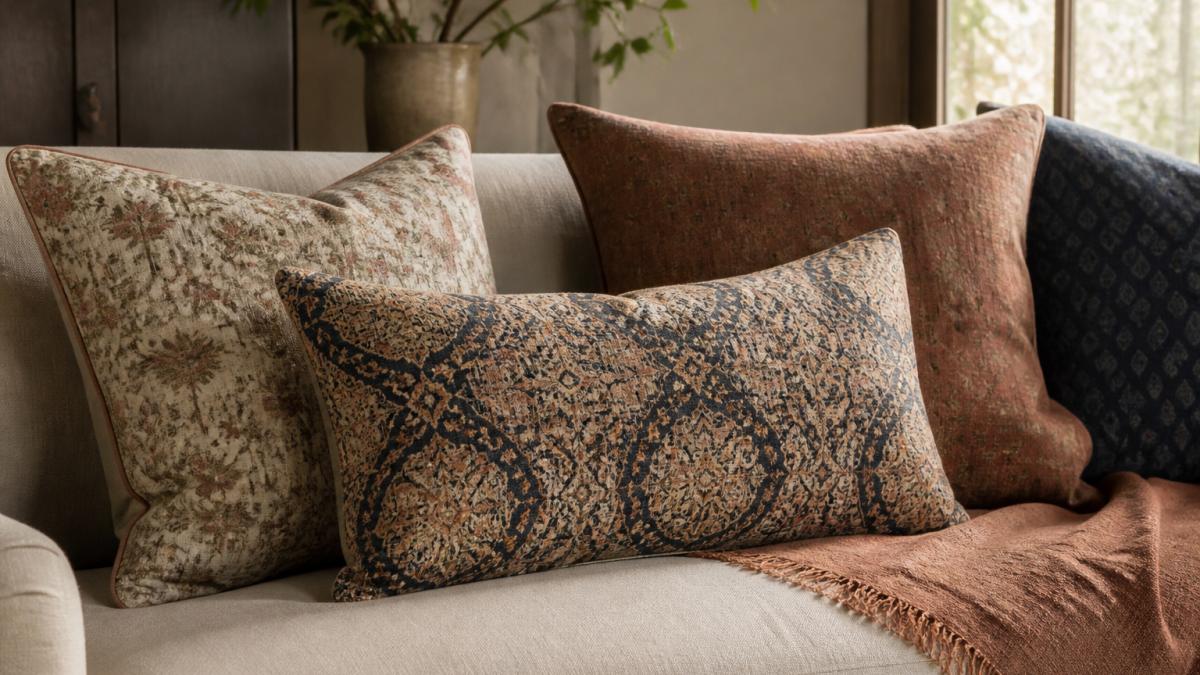
Quality designer throw pillows start with fabric selection: weave, weight, and fiber content determine durability and pattern visibility. Well-made pillows feature centered patterns, precise seams, and supportive fill that resists flattening.
Distinctive, artistic patterns elevate spaces and anchor design schemes. Handmade textiles often feature original designs reflecting genuine artistic vision rather than trend-chasing, remaining visually interesting long-term.
Craftsmanship details, hand-finished edges, quality zippers, consistent color matching, and construction preventing shifting, make pillows investment pieces justified by longevity and daily joy.
Handmade Home Textiles: Beyond Mass Production
Handmade textiles offer individual character and genuine craftsmanship versus thousands of identical mass-produced units.
Handmade textiles, rugs, bedding, curtains, table linens, benefit from artisanal production where makers catch inconsistencies, ensuring true colors, aligned patterns, and secure seams.
Understanding Textile Composition and Durability
Artisanal makers choose fibers based on performance for intended use.
Natural fibers and their characteristics:
- Cotton (often 50-100% of blends): Breathable, durable, softens with washing, absorbs dyes evenly for rich color. Works well for bedding, curtains, and upholstery. Prone to wrinkling unless blended with linen or synthetics.
- Linen (often 20-50% in blends): Exceptionally durable, becomes softer over time, naturally resistant to pilling. Ideal for table linens and curtains. Higher cost than cotton; blends reduce wrinkles while preserving durability.
- Wool (typically 20-100% in rugs and throws): Naturally stain-resistant, flame-retardant, insulating, and long-lasting. Requires careful washing; dry cleaning recommended for upholstery. Premium choice for area rugs and decorative throws.
- Silk (accent fiber, 5-20%): Adds luster and drape; delicate and requires gentle care. Often reserved for decorative pillows and curtains rather than high-traffic upholstery.
Weave types affect durability and appearance:
- Tight weaves (twill, sateen, jacquard): Resist pilling, hide soil better, last longer under use. Ideal for upholstery and high-traffic rugs.
- Loose weaves (linen, gauze): Breathable and drape beautifully but show wear faster. Better for curtains and decorative textiles than seating.
- Pile weaves (velvet, chenille): Luxurious feel but require more maintenance; vacuum carefully to avoid matting.
Care, Maintenance, and Longevity
Handmade textiles often come with detailed care instructions because makers understand their materials intimately. This transparency signals confidence in quality.
- Washable vs. dry-clean-only: Washable textiles (typically 100% cotton or cotton-linen blends) cost less to maintain and age better with regular washing. Dry-clean-only pieces (silk, wool blends, delicate weaves) require professional care, adding long-term cost.
- Colorfastness: Quality dyes used in handmade textiles resist fading. Well-dyed handmade pieces maintain color for 5+ years.
- Pilling resistance: Natural fiber content and tight weaves reduce pilling. Synthetic blends and loose weaves pill more readily, requiring regular de-pilling.
Sourcing and Certifications
Many handmade textile makers source materials from suppliers with verifiable standards.
The sustainability angle matters to many people, though it's a bonus rather than the primary appeal. Handmade production typically generates less waste, uses smaller batches of materials, and creates less environmental impact. But beyond environmental considerations, handmade textiles simply feel different. They carry the mark of human intention in ways mass production cannot replicate.
Lulu and Georgia vs West Elm: Where Each Excels
Lulu and Georgia and West Elm occupy the mid-to-premium space but approach it differently, each with distinct strengths and limitations.
Alternatives like thomaspaul combine handmade quality, vintage-inspired design, and curated selection across categories, offering designer-quality without typical trade-offs.
How to Choose Quality Throw Pillows and Home Textiles
Selecting quality textiles requires knowing what signals genuine craftsmanship versus marketing language. Several practical criteria help you evaluate options effectively.
Examine fabric directly when possible, quality textiles feel substantial with tight, consistent weaves. Online, seek detailed close-up photography showing texture; vague photos hide quality issues.
Check pattern alignment and consistency, centered, balanced patterns with seams aligned to pattern lines indicate quality. Misaligned seams signal production shortcuts and create lasting visual distraction.
Natural fibers (cotton, linen, wool) age better than synthetics. Intentional blends like cotton-linen combine durability with drape; read fiber content carefully rather than assuming premium means 100% natural.
Fourth, consider the maker's background and design philosophy. Does the designer have textile training or a clear artistic vision? Designers with formal training in textile design or interior design typically produce thoughtful work. This background shows in pattern complexity, color harmony, and overall execution.
Finally, look for evidence of quality control. Do customer reviews mention consistency? Do product photos show attention to detail? Do descriptions address care and durability? Makers who stand behind their work typically provide this information upfront.
| Quality Signal | What It Means | What to Look For |
|---|---|---|
| Tight, consistent weave | Durability and longevity | Substantial feel, no thin spots |
| Aligned patterns and seams | Professional production | Centered designs, straight edges |
| Natural fiber content | Better aging and feel | Cotton, linen, wool listed first |
| Designer background | Intentional aesthetic | Textile design or interior design training |
| Detailed product photography | Transparency and confidence | Close-ups showing texture and detail |
Price, Style, and Availability: Finding Your Balance
Budget, aesthetic preference, and timeline constraints shape your actual purchasing decisions. Understanding how these factors interact helps you make choices aligned with your real situation.
Textile Category Price Ranges and Examples
Price varies dramatically by category and quality tier. Here's what you can realistically expect:
Designer Throw Pillows
- Budget tier ($25-$60): Mass-produced, synthetic blends, limited pattern selection, 6-12 month durability
- Mid-range ($60-$150): Handmade or designer-produced, natural fiber blends, distinctive patterns, 3-5 year durability
- Premium ($150-$400+): Established designer brands, 100% natural fibers, limited-edition patterns, 5+ year durability
Area Rugs (5×8 feet)
- Budget tier ($100-$300): Machine-made, synthetic fibers, basic patterns, moderate durability
- Mid-range ($300-$800): Handmade or semi-handmade, wool or wool blends, original designs, 7-10 year durability
- Premium ($800-$2,500+): Artisanal production, 100% wool or natural fiber, vintage-inspired or bespoke designs, 15+ year durability
Bedding Sets (duvet cover + shams)
- Budget tier ($80-$150): Polyester or cotton blends, basic weaves, quick shipping
- Mid-range ($150-$350): 100% cotton or linen blends, higher thread count (300-600), 2-4 week lead times
- Premium ($350-$700+): Handmade or designer linen, 600+ thread count, artisanal finishing, 4-8 week lead times
Curtain Panels (per pair)
- Budget tier ($40-$100): Synthetic or cotton blends, basic weaves, limited color options
- Mid-range ($100-$250): Linen or linen-cotton blends, custom lengths available, 2-3 week lead times
- Premium ($250-$600+): 100% linen or silk blends, handmade or designer-produced, bespoke sizing, 4-6 week lead times
Lead Times and Availability Trade-offs
Price and availability are often inversely related. Understanding your timeline helps you choose retailers that can actually meet your needs.
- Fast shipping (3-7 days): Mass-produced items from large inventory. Limited pattern selection; higher cost per unit due to warehouse overhead and rapid fulfillment logistics.
- Standard shipping (2-4 weeks): Made-to-order or small-batch production. More design options; requires advance planning.
- Extended lead times (4-12 weeks): Fully handmade or artisanal production. Maximum design customization and quality control; requires patience and advance commitment.
If you need textiles within two weeks, options narrow significantly. If you can wait 6-8 weeks, you access handmade quality and distinctive design at mid-range pricing.
Style Preferences and Psychological Longevity
Style preferences naturally guide your choices, but consider how distinctive patterns age psychologically. Bold, trendy patterns feel exciting initially but can tire quickly. Vintage-inspired patterns with timeless elements tend to remain visually interesting longer.
Pattern durability by category:
- Geometric or abstract patterns: Remain visually interesting for 5+ years; work across evolving decor styles.
- Floral or botanical prints: Age well if colors are muted; bright, trendy florals tire within 2-3 years.
- Solid colors: Safest choice for upholstery and large pieces; pair with patterned accents (pillows, throws) to add visual interest without commitment.
- Vintage-inspired or heritage patterns: Often remain relevant across decades; represent timeless design rather than trend-chasing.
This doesn't mean avoiding bold patterns, just being intentional about where you use them and ensuring they align with your long-term aesthetic vision. Reserve bold, trendy patterns for accent pieces (pillows, throws) that you can replace affordably; use classic patterns for larger investments (rugs, upholstered furniture, curtains).
Building a Comparison Framework
When evaluating alternatives across price tiers and categories, use this framework:
| Factor | Budget Tier | Mid-Range | Premium |
|---|---|---|---|
| Fiber content | Synthetic or blends | Natural fiber blends | 100% natural fibers |
| Weave quality | Loose, prone to pilling | Tight, balanced | Exceptionally tight, specialized |
| Lead time | 3-7 days | 2-4 weeks | 4-12 weeks |
| Design distinctiveness | Trendy, mass-produced | Original, curated | Bespoke or limited-edition |
| Expected durability | 6-18 months | 3-7 years | 7-15+ years |
| Cost per year of use | High (short lifespan) | Low to moderate | Low (long lifespan justifies cost) |
The "best" choice depends on your actual situation. If you're furnishing a rental or testing a design direction, budget tier makes sense. If you're investing in a primary residence and plan to keep pieces for years, mid-range or premium handmade options offer better value per year of use.
Conclusion: Building a Home That Reflects Your Vision
Finding the right lulu and georgia alternative for textiles means prioritizing what matters most to you: handmade quality, distinctive design, accessible pricing, or some combination of these factors. The textile choices you make shape how your home feels daily, so they deserve thoughtful consideration rather than impulse purchasing.
thomaspaul offers exactly this kind of intentional curation. Our handmade home textiles and designer decor pieces reflect genuine textile design expertise, our founder's background in textile design from the Fashion Institute of Technology shapes every collection. We combine vintage-inspired patterns with modern sensibility, offer extensive product range across multiple textile categories, and maintain quality standards that reflect years of design experience. When you choose thomaspaul, you're investing in pieces that bring distinctive character to your space while supporting genuine craftsmanship.
Frequently Asked Questions
What are the best alternatives to Lulu and Georgia for home textiles?
Handmade home textiles from independent designers offer a strong alternative, combining unique patterns with quality craftsmanship. Look for brands that prioritize textile design, offer vintage-inspired or modern aesthetic options, and provide detailed fabric information. thomaspaul specializes in designer-quality pieces with a curated selection of pillows, rugs, bedding, and decor that rival the style and durability of mass-market retailers while emphasizing artisanal production and distinct design.
How do I compare the quality of decorative pillows and throws?
Examine fabric composition, weave density, and stitching quality. Check for natural fiber content (cotton, linen, wool blends), look at seam construction, and verify that patterns are dyed or printed with care. Read customer reviews for durability feedback and ask about fabric care requirements.
Why should I choose handmade home textiles over mass-produced options?
Handmade textiles offer superior craftsmanship and unique design. Each piece reflects intentional design choices and quality control. Handmade items typically feature distinctive patterns, better fabric selection, and attention to detail in construction. They also support independent designers, giving you confidence in what you're buying for your home.
What should I look for when buying patterned home textiles online?
Request high-resolution photos showing fabric texture, pattern scale, and color accuracy. Check the return policy for damaged items and verify shipping protection. Look for detailed descriptions of fabric content, care instructions, and lead times. Read customer reviews that mention color accuracy and durability. Confirm dimensions match your space and that the aesthetic aligns with your existing decor before purchasing.
Furnish your home with unique, designer-quality pieces that reflect your personal style. Explore thomaspaul's handmade textile collection and discover how thoughtful design transforms everyday spaces into rooms you love living in.