

Artisan Home Alternatives for Unique Textiles
Posted by Editorial Team on Oct 9th 2026
Table of Contents
- What Makes Artisan-Made Home Textiles Different
- Where to Shop for Artisan Home Textiles
- Sustainable Home Decor Brands and Materials
- Safe Textiles for Baby Nursery Environments
- Nursery Textile Safety Standards and Verification
- Key Differences: Price, Quality, and Value
- Shipping, Returns, and Care Instructions
- How to Verify Handmade and Ethical Claims
- Frequently Asked Questions
Last Updated: October 9, 2026
What Makes Artisan-Made Home Textiles Different
Artisan-made home textiles combine traditional craftsmanship with intentional design, reflecting the maker's skill, heritage, or artistic vision rather than factory standardization. Choosing artisan home alternatives for unique textiles means investing in items with provenance that use sustainable materials and support fair compensation for their creators.
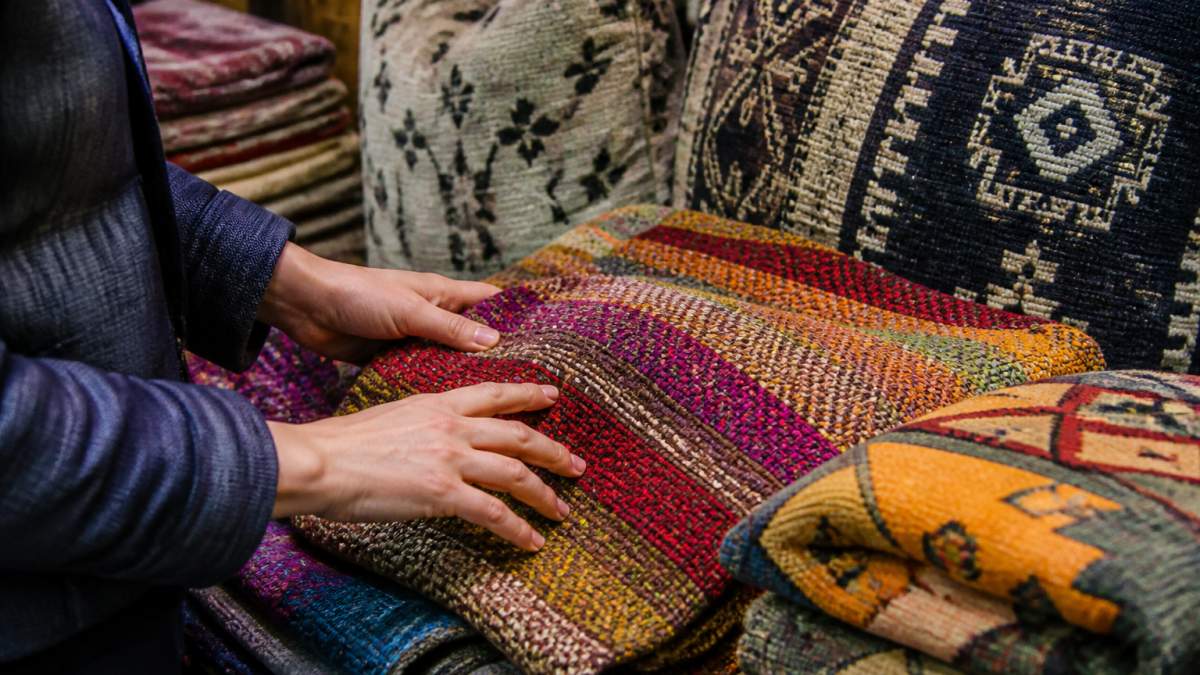
Handloomed textiles feature slight variations in color, pattern, or weave that signal authentic craftsmanship, signatures of human hands, not flaws. Block-printed designs, embroidered details, and hand-dyed colors develop character and depth that digital printing cannot replicate.
Artisan textiles also last longer. A well-made throw or pillow cover improves with age, developing a softer hand and deeper patina, so you replace fewer items over time and generate less waste. Makers typically use natural fibers like organic cotton, linen, and wool, which biodegrade at end of life rather than shedding microplastics.
Where to Shop for Artisan Home Textiles
Finding authentic artisan home alternatives for unique textiles requires knowing where to look. Each marketplace below offers different strengths depending on whether you prioritize sustainability, customization, global craft traditions, or price range.
thomaspaul: Designer-Curated Handmade Collections
thomaspaul offers a curated collection of handmade home textiles and designer decor in a vintage-inspired, modern aesthetic. Founded by textile designer Thomas Paul, a Fashion Institute of Technology graduate, the brand spans pillows, throws, art prints, kitchenware, and bath accessories, all selected or created to bring distinct patterns and artistic vision into your home.
What sets thomaspaul apart is its editorial curation: a tightly edited selection where each item reflects a coherent design philosophy. This works well if you want pieces that coordinate visually while maintaining individuality, and the vintage-inspired aesthetic appeals to design-conscious homeowners who value timeless patterns over fleeting trends.
Uncommon Goods: Independent Maker Marketplace
Uncommon Goods is a curated marketplace featuring artisan-made home goods and textiles from independent makers. It emphasizes small-batch production and direct artisan relationships, giving you access to one-of-a-kind pillows, throws, wall hangings, and decorative textiles you won't find elsewhere.
The strength here is variety and narrative: many items come with maker stories covering the artist, their techniques, and their inspiration. Inventory fluctuates with artist availability, so popular items sell out, but that ensures genuine scarcity rather than manufactured exclusivity.
GOODEE: Ethical and Sustainable Focus
GOODEE is a curated marketplace for sustainable home decor and textiles that meet high ethical and environmental standards, using a strict vetting process to ensure every product aligns with commitments around fair labor, environmental impact, and material transparency.
If sustainability and ethical sourcing are non-negotiable, GOODEE delivers. It specializes in high-quality natural materials like organic cotton and linen, with transparent supply chain information for every product, and its modern, sophisticated aesthetic suits minimalist or contemporary spaces. The trade-off is price: ethical production costs more, and GOODEE reflects that reality.
Raven + Lily: Global Artisan Partnerships
Raven + Lily partners with artisans globally to create handcrafted home decor and textiles rooted in traditional craftsmanship and heritage techniques. The B Corporation-certified brand specializes in hand-woven and hand-dyed textiles, emphasizing cultural significance and artisan empowerment.
The appeal is authenticity and impact: buying from Raven + Lily supports artisans in their home communities and helps preserve traditional textile-making techniques. Hand-dyed colors shift subtly over time, and hand-woven structures are built for durability. The downside is limited production runs, so items sell out quickly and you may need to waitlist.
Etsy: Direct-to-Artist Customization
Etsy connects shoppers directly with independent textile artists and small-scale creators, offering unmatched variety and customization. Browse thousands of handmade pillows, throws, blankets, and wall hangings, then message makers directly about custom orders, color changes, or sizing.
Etsy works best when you know what you want or will invest time in exploration; search filters narrow by material, style, and maker location. Quality varies significantly between sellers, so read reviews carefully and check response times. The upside is price range, artisan textiles at every budget level, plus the ability to commission truly custom pieces.
| Platform | Best For | Starting Price | Key Strength |
|---|---|---|---|
| thomaspaul | Design-focused curators | Varies | Editorial curation and designer expertise |
| Uncommon Goods | Unique, giftable items | $30+ | Maker stories and small-batch variety |
| GOODEE | Ethical shoppers | $50+ | Strict sustainability and fair trade standards |
| Raven + Lily | Global craft traditions | $45+ | Artisan empowerment and heritage techniques |
| Etsy | Custom and budget-conscious | $10+ | Direct maker contact and customization |
Sustainable Home Decor Brands and Materials
Sustainability in artisan textiles means more than using natural fibers: it encompasses how materials are grown, how textiles are produced, and whether makers receive fair compensation. Sustainable home decor brands prioritize supply chain transparency.
Natural fibers form the foundation of sustainable textile production. Organic cotton is grown without synthetic pesticides or fertilizers. Linen, made from flax, requires minimal water and pesticides. Wool from ethically raised sheep provides natural insulation and durability, while hemp and jute offer renewable, minimally processed alternatives.
The production process matters equally. Natural dyes avoid the chemical runoff of synthetics, hand-weaving and hand-looming consume less energy than industrial machinery, and hand block printing requires no electricity. When artisans work in their home communities, transportation emissions shrink too.
Brands like GOODEE and Raven + Lily build sustainability into their entire model, vetting suppliers, verifying labor practices, and publishing supply chain information. That transparency costs more but gives you confidence your purchase aligns with your values.
Safe Textiles for Baby Nursery Environments
Parents selecting nursery textiles face legitimate safety concerns, since babies spend significant time in contact with bedding, blankets, and soft furnishings. Artisan textiles can be excellent for nurseries when makers prioritize safety-appropriate materials and avoid harmful dyes or finishes.
Safe nursery textiles begin with material choice. Organic cotton eliminates synthetic pesticide residues, and natural fibers breathe better than synthetics, reducing overheating risk. Avoid flame-retardant treatments, which often contain chemicals linked to health concerns, and look for items meeting safety standards without chemical treatments.
Color matters too. Textile dyes can contain heavy metals or azo compounds that pose health risks, while natural dyes from plants, minerals, or insects provide safer alternatives. Many artisan makers use natural dyeing specifically because they produce for families with young children.
Handmade nursery textiles should feel substantial and well-constructed; loose threads, weak seams, or poorly finished edges create choking hazards. Reputable makers construct nursery items with extra care, so ask directly about their production process, material sourcing, and testing for harmful substances.
Nursery Textile Safety Standards and Verification
Understanding safety standards helps you evaluate whether artisan textiles meet baby environment requirements. The Consumer Product Safety Commission (CPSC) sets standards for children's textiles, including flammability requirements and limits on harmful substances.
The CPSC's guidance on children's sleepwear and textiles specifies flammability performance standards that reduce burn risk. Textiles must either meet flame-resistance requirements or be labeled as "not flame resistant." For babies under 9 months, fitted sheets and sleep clothing must meet these standards.
Chemical safety is equally important. The CPSC's restrictions on lead and phthalates apply to children's products, including textiles with printed designs or coatings. Heavy metals in dyes can accumulate in a baby's body over time. Phthalates used in some textile finishes may disrupt hormone development.
When evaluating artisan textiles for nurseries, ask makers about:
- Dye sources (natural vs. synthetic, and whether they've been tested for heavy metals)
- Fabric treatments (whether flame retardants, water repellents, or other finishes were applied)
- Testing documentation (whether they've had textiles tested by third-party labs)
- Certifications (GOTS certification for organic cotton, OEKO-TEX for chemical safety)
Reputable artisan makers welcome these questions and provide detailed answers. If a maker cannot explain their material sourcing or testing practices, that's a red flag. For nursery textiles specifically, verification of safety claims matters more than for general home decor.
Key Differences: Price, Quality, and Value
Artisan textiles cost more than mass-produced alternatives, but the reasons reveal genuine differences in value. Understanding where your money goes helps you decide whether artisan pieces fit your budget and priorities.
Labor represents the largest cost difference. Factory production spreads labor across thousands of identical units, while handmade textiles require hours of skilled work per piece, a hand-woven throw might take 20-40 hours, a hand-dyed and hand-embroidered pillow cover 15-25.
Material quality drives price differences too.
Production scale affects pricing too: a factory making 10,000 identical pillows amortizes fixed costs across those units, while an artisan making 50 unique designs must cover overhead across smaller batches.
Value extends beyond the purchase price. A well-made artisan throw used for 15-20 years costs less per year than a cheap throw replaced every 2-3 years, and handwoven textiles often improve with age.
Shipping, Returns, and Care Instructions
Practical considerations around ordering, returning, and maintaining artisan textiles affect your actual experience. Different platforms and makers handle these differently.
Shipping policies vary widely.
Return policies matter when ordering online without seeing items in person. Most established platforms (thomaspaul, Uncommon Goods, GOODEE, Raven + Lily) offer 30-60 day windows, while Etsy sellers set individual policies ranging from "no returns accepted" to 30-day guarantees. Custom or made-to-order items are often non-refundable.
Care instructions determine whether artisan textiles stay beautiful long-term. Hand-dyed textiles may bleed in early washes, so use cold water and gentle handling; hand-loomed pieces may shift slightly as fibers relax, and natural fibers can shrink in hot water.
Washing handmade textiles by hand or on gentle machine cycles, using mild detergent, and air-drying extends their lifespan significantly. Some pieces benefit from occasional dry cleaning rather than washing.
How to Verify Handmade and Ethical Claims
Claims about handmade production and ethical sourcing sound appealing but require verification. Not every business using "artisan," "handmade," or "sustainable" in their marketing actually meets those standards.
Verification starts with transparency. Legitimate makers publish details about their production process, materials, and labor practices, including maker bios, techniques, and material origins.
Look for third-party certifications.
Customer reviews provide practical verification. Long-established sellers accumulate hundreds or thousands of reviews, so read for comments about quality, accuracy to photos, and whether items feel handmade.
Ask makers directly. Reputable artisans answer questions about their process, materials, and production timeline; a vague or absent response to a dyeing question is telling. Real makers enjoy discussing their craft.
Check production timelines. Genuinely handmade items take time: a "handwoven" throw shipping within 2 days is almost certainly pre-made inventory, which is fine but not what was claimed.
Frequently Asked Questions
What should I look for when buying handmade home textiles?
Prioritize natural fibers like organic cotton, linen, and wool, which are durable and breathable. Check for transparent maker information, production details, and customer reviews. Verify that colors come from natural dyes or low-impact processes. Look for consistent stitching, finished seams, and weight appropriate to the item's intended use. Ask the seller about care requirements and whether the piece is truly handcrafted versus mass-produced with hand-finishing.
How can I tell whether a home textile is sustainably made?
Search for certifications like Fair Trade, B Corporation status, or specific material certifications (organic cotton, linen). Request information about dye sources, water usage, and waste management. Sustainable makers typically disclose their supply chain openly and explain their production methods. Platforms like GOODEE vet their vendors for environmental standards. Ask direct questions about materials sourcing, labor practices, and production scale, authentic artisans welcome transparency.
Which artisan-made textiles work well in a nursery?
Choose soft, breathable natural fibers like organic cotton for blankets, crib sheets, and quilts. Look for gentle, non-toxic dyes and simple patterns that stimulate without overwhelming. Handwoven or hand-dyed pieces from artisans who specialize in baby products ensure quality control. Avoid loose embellishments or heavy embroidery on items babies might contact directly. Verify that all textiles meet Consumer Product Safety Commission standards for flammability and chemical content.
How do I choose textiles that are safe for a baby nursery?
Confirm all fabrics are certified free of harmful chemicals like formaldehyde, lead-based dyes, and flame retardants. Check that items meet CPSC flammability standards for children's sleepwear and bedding. Choose tightly woven, durable fabrics that won't shed fibers. Verify the maker tests for allergens and uses hypoallergenic dyes. Request documentation of safety testing, especially for items that contact skin. Organic certifications provide additional assurance of chemical-free production.
What's the difference between artisan textiles and mass-produced home decor?
Artisan textiles are handcrafted using traditional techniques like weaving, embroidery, or block printing, resulting in unique variations and higher durability. Mass-produced items use machine manufacturing and identical copies. Artisan makers control their supply chains, often using natural materials and sustainable practices. Handmade pieces feature individual character, custom options, and direct maker relationships. While artisan textiles typically cost more upfront, their longevity and timeless design often provide better long-term value.